
Facet-related back pain – a common but hard-to-recognise cause
Back pain is among the most common complaints in our society. One often overlooked cause is facet-related back pain, which originates from the small vertebral joints known as facet joints. These joints can trigger pain as a result of wear and tear, overstrain, or instability – particularly in the cervical (neck) and lumbar (lower back) spine.
Why the diagnosis is so difficult
Imaging techniques such as X-rays or MRI often reveal degenerative changes, but these do not always correspond to the actual pain. To provide clarity, at ISSZ we use diagnostic injections: by selectively numbing the suspected joints or nerve branches, it is possible to determine whether the facet joints are the source of the pain.
Typical complaints
- Chronic pain in the neck or lumbar region
- Intensification of pain when getting up, overstretching, or twisting
- Morning stiffness
- Reduced mobility and muscular tension
These symptoms can significantly impair quality of life and highlight the importance of a targeted diagnostic evaluation.
Treatment at ISSZ
The therapy is tailored to the severity and the individual situation. Initially, conservative measures are usually recommended, such as physiotherapy, targeted exercises, ergonomic adjustments, and, if necessary, medication.
If the pain is not sufficiently relieved, further options are available:
Injections (intra-articular or medial branch block) can provide short-term pain reduction while also contributing to diagnostic confirmation.
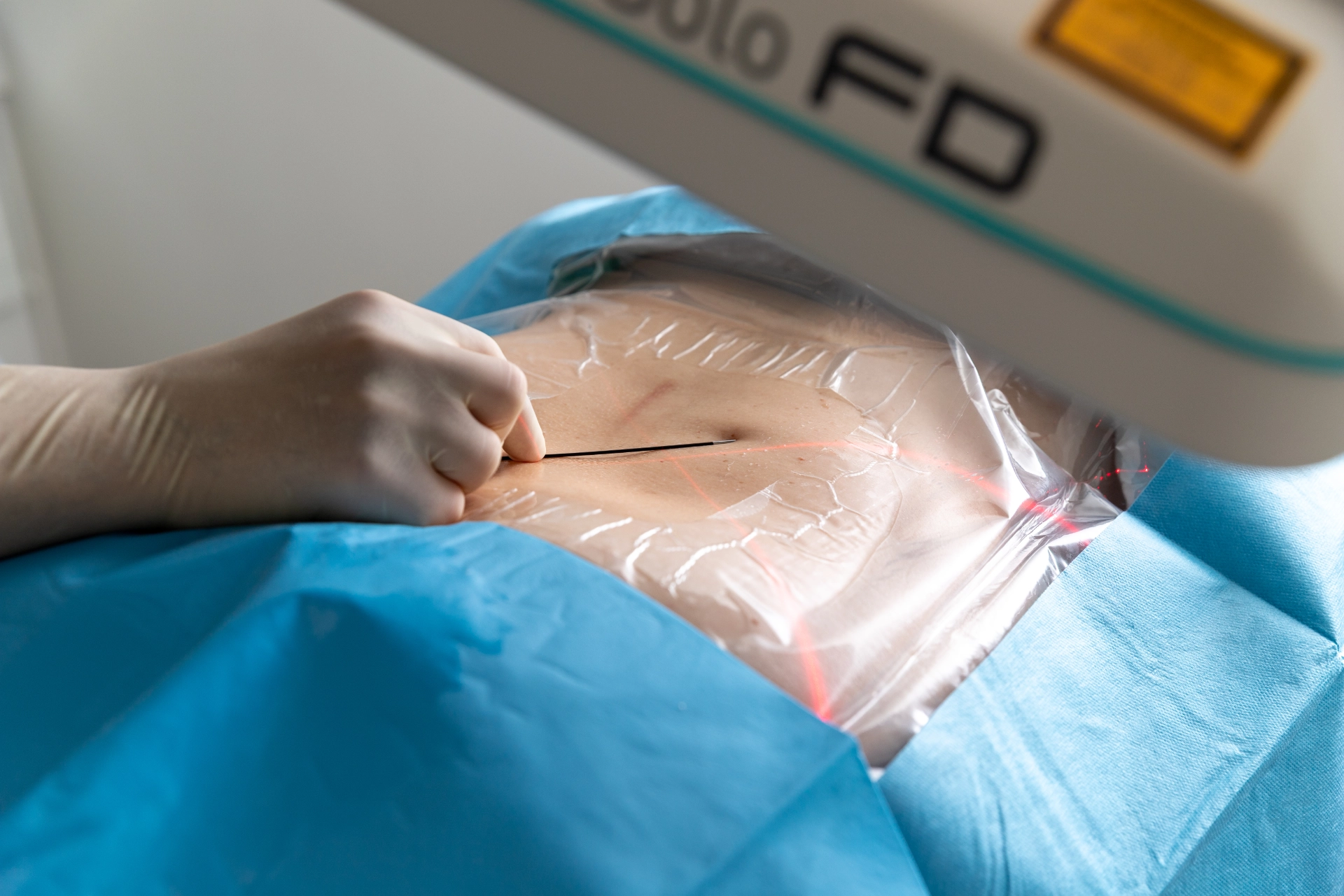
Radiofrequency ablation (RFA) has proven to be particularly effective. In this procedure, pain-transmitting nerve fibres are specifically cauterised. Many patients report a significant improvement that can last for up to twelve months.
Future prospects
New regenerative approaches such as PRP (platelet-rich plasma) are currently being investigated scientifically. They show promising potential, but the evidence is not yet sufficient for them to be recommended as standard therapy.