
Hot Topic: Treating Neuropathic Pain with Capsaicin (#Chili)
Hot Topic: Treating Neuropathic Pain with Capsaicin (#Chili)
Neuropathic pain, often referred to as nerve pain, is a distinct type of pain caused by damage or dysfunction of the nervous system. It is characterised by symptoms such as burning sensations, tingling, electric shock like pain, or hypersensitivity to touch.
A range of treatment options is available for neuropathic pain. Pharmacological therapies are primarily aimed at symptom relief. Medications used for nerve pain are known as antineuropathic co analgesics. Before initiating treatment, the expected benefits must be carefully weighed against potential side effects. Many medications used for neuropathic pain are prescribed off label. Common options include tricyclic antidepressants, selective serotonin and noradrenaline reuptake inhibitors (SNRIs), antiepileptic drugs, and topical therapies such as capsaicin.
Capsaicin, the active component of chilli peppers, is available in low concentration creams (0.025% to 0.075%) as well as in the form of Qutenza® (Capsaicin 8%), a high concentration transdermal patch. Qutenza® is widely used for the treatment of postherpetic neuralgia, but it may also be considered for a broad range of peripheral neuropathic pain conditions.
By targeting pain transmitting nerve fibres directly in the skin, high dose capsaicin therapy can provide prolonged pain relief while avoiding the systemic side effects associated with many oral medications.
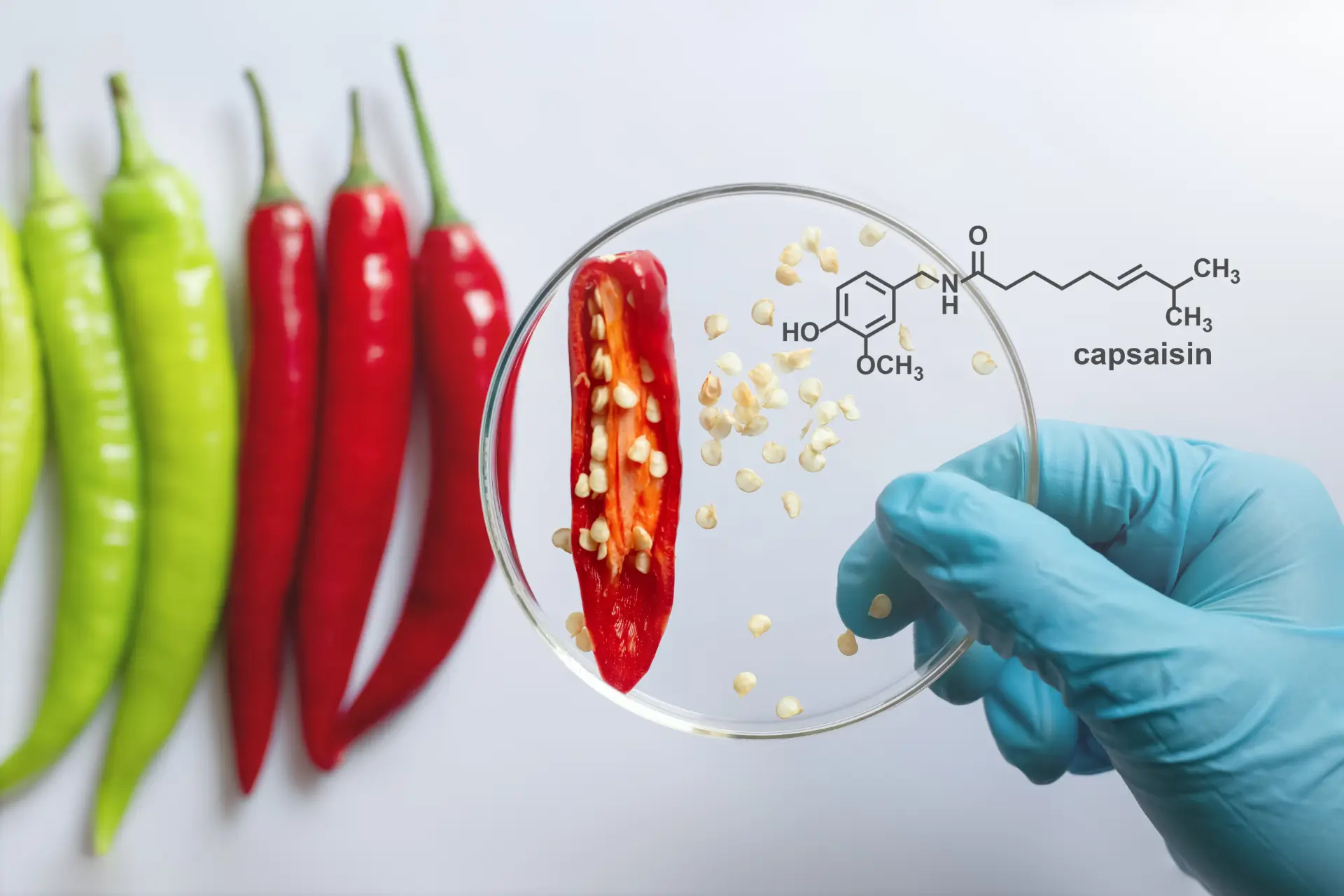
Capsaicin works by activating TRPV1 receptors located on free cutaneous nerve endings (nociceptors). This activation initially leads to an increased perception of pain, followed by depletion of the neuropeptide substance P, which plays a key role in the transmission of pain signals. As a result, pain sensitivity within the treated area is reduced.
The affected cutaneous nerve endings undergo temporary degeneration, a process that may be described as chemical denervation. Studies have shown that the effects of Qutenza® can persist for several months, making it an attractive option for long term pain management (Dworkin et al., 2010; Backonja et al., 2014).
Recent clinical data also suggest that patients who do not respond to the initial treatment may still achieve progressive improvement with repeated applications of Qutenza® (Freynhagen et al., 2021).
Qutenza® is administered in the physician’s office. Prior to application, the skin is cleansed. The application time is 30 to 60 minutes. Treatment may be accompanied by a temporary burning or stinging sensation, which is considered a normal sign of its effect (Tzeng et al., 2015).
The most common side effects include local skin reactions such as redness, itching, and pain at the application site. These usually resolve within 1 to 3 days. Serious systemic side effects are very rare. The only contraindications are a capsaicin allergy and the presence of open skin lesions.
Qutenza® represents an effective treatment option for patients with neuropathic pain. Its potential to provide long term pain reduction makes it a valuable addition to the pain management armamentarium. In Switzerland, its use is primarily limited by reimbursement requirements, as cost coverage is subject to prior approval and generally requires evidence of unsuccessful previous treatments. This restriction does not apply in the same way in several other European countries.
- Dworkin, R. H., et al. (2010). “Pharmacologic Management of Acute Pain in Patients with Neuropathic Pain.” Pain Management.
- Backonja, M. et al. (2014). “Safety and Efficacy of Qutenza in Patients with Postherpetic Neuralgia: A Randomized, Controlled Trial.” Pain.
- Tzeng, J. I., et al. (2015). “Capsaicin for the Treatment of Neuropathic Pain.” Cochrane Database of Systematic Reviews.
- AAS (2020). “Qutenza: Guidelines for Use in Clinical Practice.”
- Katz, J., et al. (2017). "Long-term Efficacy and Safety of Qutenza." The Clinical Journal of Pain.
- Freynhagen et al. (2021) Progressive Response to Repeat Application of Capsaicin 179 mg (8% w/w) Cutaneous Patch in Peripheral Neuropathic Pain: Comprehensive New Analysis and Clinical Implications’ Pain Medicine, 22(10), 2021, 2324–2336